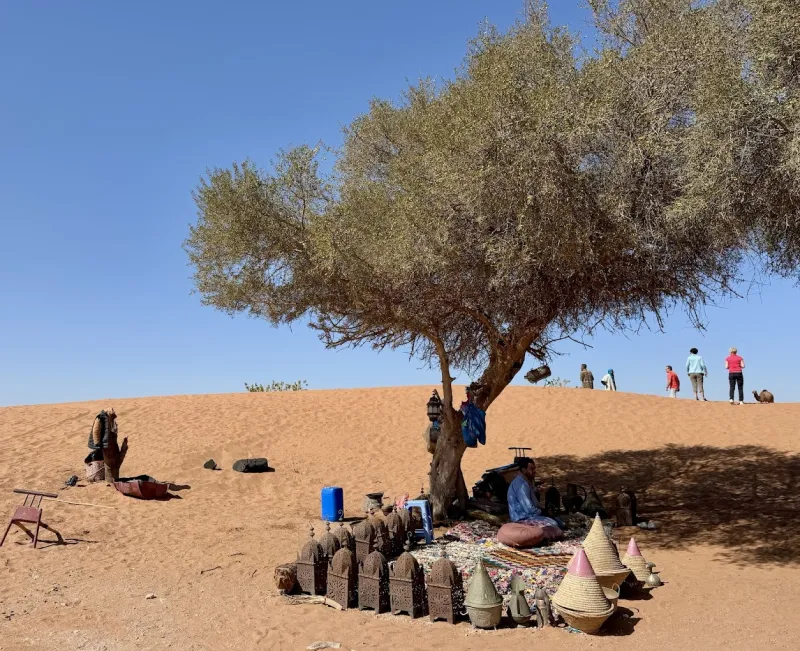
Agadir’s Art and Craft Scene: Celebrating Traditional Moroccan Craftsmanship
15 Mar 2025Agadir is not only known for its sunny beaches and modern attractions—it is also a vibrant hub for art, design, and traditional craftsmanship. In the winding streets and bustling marketplaces of this coastal city, local artisans, galleries, and workshops showcase a rich tapestry of Moroccan heritage that has been passed down through generations. This comprehensive guide explores Agadir’s art and craft scene, delving into the stories behind traditional techniques, the creative energy of local artists, and the cultural significance of handcrafted treasures.
The Cultural Tapestry of Agadir
Agadir’s history is woven with threads of Berber, Arab, and Andalusian influences, and this diverse heritage is reflected in its artistic expressions. After the devastating earthquake of 1960, the city rebuilt itself with a modern outlook while still cherishing its cultural roots. Today, Agadir stands as a testament to Morocco’s resilience, offering visitors a unique blend of contemporary flair and timeless traditions.
Heritage and Innovation: Traditional techniques such as intricate embroidery, pottery, wood carving, and weaving continue to thrive alongside modern art forms. Local artisans have adapted these time-honored crafts to meet contemporary tastes while preserving their heritage.
Community Pride: Artisans take immense pride in their work, often using natural, locally sourced materials and environmentally friendly processes. Their creations are not only beautiful but also serve as a link to the past, celebrating the legacy of Moroccan craftsmanship.
Local Artisans: Masters of Their Craft
Discovering Traditional Techniques
Agadir’s local artisans are the heart and soul of the city’s art scene. Each craft tells a story of skill, passion, and cultural identity.
1. Pottery and Ceramics
Moroccan ceramics are celebrated for their vibrant colors, intricate patterns, and functional design. In Agadir, pottery workshops are a common sight where skilled craftsmen shape clay by hand and decorate pieces using techniques that have been perfected over centuries.
Techniques: Traditional glazing methods and hand-painted designs create unique patterns that vary by region. Each piece reflects the local style and natural motifs inspired by the surrounding landscapes.
Products: From decorative plates and vases to everyday utensils, these handcrafted items are prized for their authenticity and artistic flair.
Experience: Many workshops welcome visitors, offering demonstrations and hands-on experiences that allow guests to try their hand at pottery-making.
2. Wood Carving and Metalwork
Intricate wood carvings and metalwork are integral to Moroccan decor, often seen in the detailing of doors, furniture, and decorative screens.
Artistry: Artisans use traditional chisels and techniques to create elaborate designs that echo natural forms—floral patterns, geometric shapes, and calligraphic motifs are common.
Products: Items such as carved wooden boxes, decorative panels, and metal lanterns not only serve functional purposes but also elevate the aesthetic of any home.
Workshops: Local craftsmen often run small studios where visitors can observe the process from start to finish, gaining insight into the precision and time required to produce each piece.
3. Textiles and Weaving
Textiles hold a special place in Moroccan culture, with vibrant fabrics that tell stories through color, texture, and pattern.
Traditional Fabrics: Berber rugs, woven blankets, and embroidered garments are created using looms and traditional techniques passed down through generations.
Local Materials: Many artisans use natural fibers such as wool and cotton, and dyes derived from plants and minerals, ensuring that each textile piece is both eco-friendly and culturally significant.
Workshops and Boutiques: In Agadir, you can visit local weaving workshops to see artisans at work, and even purchase custom-made textiles that reflect the region’s unique style.
Galleries and Studios: Showcasing Contemporary Moroccan Art
Agadir’s art scene is not confined to traditional crafts. The city’s galleries and studios provide a platform for contemporary artists who blend modern techniques with classical influences to create innovative works.
1. Contemporary Art Galleries
Several galleries in Agadir exhibit a diverse range of art—from paintings and sculptures to mixed-media installations—that capture both the beauty of Moroccan culture and the artist’s personal vision.
Local Exhibitions: Galleries often feature exhibitions that spotlight emerging artists, allowing them to share their interpretations of Moroccan life, landscapes, and traditions.
Cultural Dialogues: Many gallery spaces host events such as artist talks, workshops, and cultural evenings that encourage dialogue between creators and art lovers.
Notable Spaces: Look for galleries that are housed in renovated traditional buildings, where the fusion of old-world charm and contemporary design creates a unique viewing experience.
2. Artist Studios and Co-Working Spaces
For a more intimate encounter with the creative process, visit one of Agadir’s artist studios or co-working spaces. These environments provide insight into how modern Moroccan artists work and collaborate.
Studio Visits: Some studios open their doors to the public, offering guided tours that explain the techniques, inspirations, and challenges behind each artwork.
Collaborative Projects: These spaces often host joint projects and workshops where visitors can learn about collaborative art-making and even participate in group projects.
Innovation Meets Tradition: Many contemporary artists in Agadir draw inspiration from traditional motifs, reinterpreting them through a modern lens to create artworks that are both culturally rooted and forward-thinking.
Workshops and Craft Centers: Hands-On Experiences
To truly appreciate Agadir’s art and craft scene, participating in a workshop can be an unforgettable experience. Many local craft centers offer classes and demonstrations that allow visitors to engage directly with traditional techniques.
1. Pottery Workshops
Join a pottery workshop and learn the art of shaping clay into functional and decorative pieces. Under the guidance of a master potter, you can try your hand at:
Wheel Throwing: Learn the basics of using a potter’s wheel, from centering the clay to shaping and trimming your creation.
Hand-Building Techniques: Explore techniques such as coiling and slab construction that allow for creative freedom and unique forms.
Decorative Techniques: Experiment with traditional glazing and painting methods that bring Moroccan motifs to life on your pottery.
2. Textile and Weaving Classes
Immerse yourself in the rich world of Moroccan textiles by participating in a weaving class. These workshops provide an opportunity to:
Understand the Process: Learn about the history and techniques behind Berber rug-making and other traditional weaving methods.
Hands-On Practice: Try your hand at operating a loom and weaving a small piece of fabric, guided by experienced local weavers.
Create a Souvenir: Many classes allow you to take home your woven creation, a tangible reminder of your immersive cultural experience.
3. Wood Carving and Metalwork Sessions
For those fascinated by intricate design, workshops in wood carving and metalwork offer a peek into the meticulous craftsmanship behind Moroccan decorative arts.
Learn Basic Techniques: Understand the tools, materials, and techniques used by artisans to create detailed carvings and metal embellishments.
Create Your Own Piece: Guided by a master craftsman, you may have the chance to create a small, personalized item such as a decorative panel or jewelry piece.
Cultural Insights: These sessions often include discussions about the symbolism and historical context behind various designs and motifs.
The Significance of Traditional Moroccan Craftsmanship
Traditional Moroccan crafts are more than mere souvenirs—they are living expressions of cultural identity and heritage. Here’s why preserving these crafts is essential:
1. Cultural Continuity
Preserving History: Traditional crafts serve as a tangible link to Morocco’s past, reflecting the techniques, materials, and aesthetics that have been refined over centuries.
Intergenerational Knowledge: Artisans often pass their skills down to younger generations, ensuring that these traditional practices remain vibrant and relevant in a modern world.
2. Economic Empowerment
Supporting Local Communities: By purchasing handcrafted items and participating in workshops, tourists contribute directly to the livelihoods of local artisans.
Sustainable Development: Many craft centers and cooperatives are built around sustainable practices, promoting fair trade and ethical production methods that benefit entire communities.
3. Artistic Expression
Innovation within Tradition: Modern Moroccan artists and craftsmen are redefining traditional arts by blending contemporary techniques with classic motifs. This creative evolution keeps the art form dynamic and relevant.
Global Appeal: The distinct beauty of Moroccan craftsmanship has garnered international acclaim. Visitors from around the world seek out these unique pieces, helping to spread Moroccan culture globally.
Tips for Exploring Agadir’s Art and Craft Scene
1. Plan Your Visits
Research Ahead: Look up local galleries, artisan workshops, and craft centers before your trip. Many establishments have websites or social media pages with up-to-date event schedules and workshop offerings.
Allocate Time: Set aside dedicated time in your itinerary to visit both bustling markets and quieter artisan studios. Each experience offers a different perspective on the art and craft scene.
2. Engage with Local Artisans
Ask Questions: Don’t hesitate to engage with artisans about their techniques, inspirations, and the history behind their crafts. These conversations often enrich your understanding of the culture.
Participate in Workshops: Hands-on experiences can be more memorable than passive observation. Consider booking a workshop to create your own piece of Moroccan art.
3. Support Ethical and Sustainable Practices
Buy Directly: Whenever possible, purchase items directly from artisans or from cooperatives that ensure fair compensation.
Choose Quality Over Quantity: Invest in a few well-made, authentic pieces rather than a large number of mass-produced items. These treasures often hold greater sentimental and cultural value.
Share Your Experience: Document your journey through Agadir’s art scene—through photography, social media, or blogging—to help promote local artisans and encourage sustainable tourism.
Conclusion: A Journey Through Agadir’s Creative Heart
Agadir’s art and craft scene offers an immersive experience that goes far beyond typical tourist attractions. It is a celebration of traditional Moroccan craftsmanship, a testament to the skill and creativity of local artisans, and a vibrant expression of cultural identity that continues to evolve with the times.
From the bustling stalls of traditional markets like Souk El Had to the intimate workshops where artisans shape clay, carve wood, and weave fabric by hand, every corner of Agadir reveals a story of heritage, innovation, and community spirit. The city’s galleries and studios serve as modern platforms where traditional art meets contemporary expression, inviting visitors to witness firsthand how the past informs the present.
A day spent exploring Agadir’s art and craft scene can transform your travel experience into an enriching cultural journey. Whether you leave with a handmade souvenir, a new skill learned in a workshop, or simply a deeper appreciation for Moroccan artistry, you will carry with you the vibrant legacy of Agadir’s creative heart.
Plan your visit, engage with local artisans, and allow yourself to be inspired by the rich tapestry of art, history, and culture that defines Agadir. In this city, every handcrafted piece and every brushstroke tells a story—a story that you can become a part of, even if only for a day.
Embrace the beauty and creativity of Agadir, and let its art and craft scene open your eyes to the endless possibilities of traditional Moroccan craftsmanship—a journey that not only enriches your soul but also supports the vibrant communities that keep these timeless traditions alive.
Whether you’re an art enthusiast, a curious traveler, or simply someone looking to connect with the authentic spirit of Morocco, Agadir’s art and craft scene promises an unforgettable experience. Explore local galleries, chat with skilled artisans, and participate in hands-on workshops to fully appreciate the passion and precision that go into every piece of art. In Agadir, traditional craftsmanship is not just preserved—it is celebrated, evolved, and shared with the world, inviting you to take a piece of its heritage home with you.
Enjoy your journey into Agadir’s creative heart, and let the timeless art and vibrant energy of traditional Moroccan craftsmanship inspire you long after you’ve left this enchanting coastal city.
Hi, I'm Camila Elise. I'm a passionate writer and design enthusiast at rents.ma, blending modern insights with the timeless elegance of Moroccan culture. Join me as I explore innovative ideas to transform your living space into a true reflection of your style.