Rent a Land in Morocco: A Comprehensive Guide
08 Jan 2025Morocco is known for its rich cultural heritage, diverse landscapes, and vast agricultural potential. From its fertile plains and valleys to its sprawling deserts and coastal areas, the country offers an abundance of land that can be rented for various purposes, including farming, tourism, commercial use, and even special events. Renting land in Morocco has become increasingly popular, both for locals and foreigners who wish to invest in agricultural ventures, set up tourist camps, host events, or simply explore the land’s natural beauty.
In this comprehensive guide, we will walk you through the process of renting land in Morocco, explore the different types of land available for rent, the legal aspects of renting land, and the benefits of renting land in this North African country.
1. Why Rent Land in Morocco?
Renting land in Morocco offers various advantages for both locals and international investors, entrepreneurs, and those seeking to establish businesses or projects in this dynamic country. Here are some of the primary reasons why renting land in Morocco can be beneficial:
Affordable Investment Option
Renting land is generally more affordable than purchasing property, especially for short- or medium-term projects. For farmers, tour operators, event organizers, or those wishing to test out a business idea, renting land is a low-risk investment that allows for flexibility without the substantial capital outlay associated with purchasing property.
Access to Morocco’s Fertile Land
Morocco is home to various regions known for their agricultural potential, such as the plains of the Gharb and the fertile valley areas of the Souss region. Renting land in these areas can provide opportunities for farming, horticulture, and agribusiness ventures. Morocco’s mild climate and diverse terrains also provide ideal conditions for organic farming, livestock rearing, and greenhouses.
Tourism and Glamping Opportunities
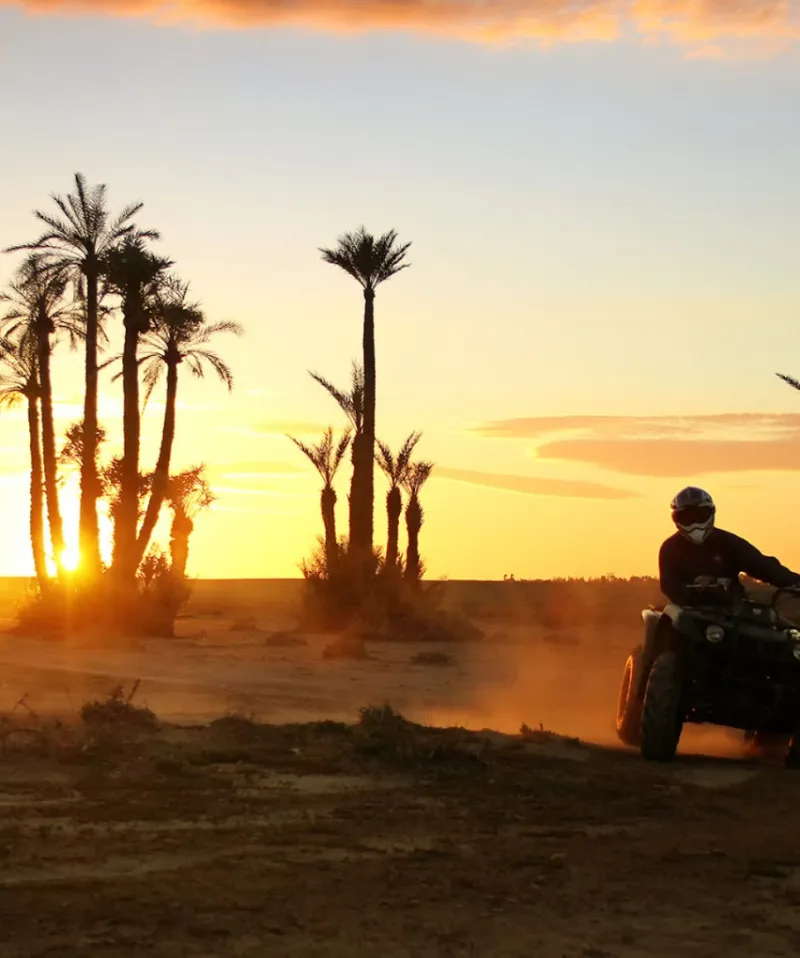
With Morocco's diverse landscapes—from the Atlantic coast to the Sahara Desert—renting land is an excellent option for establishing tourism-related businesses such as eco-camps, glamping sites, and safari tours. Visitors from around the world flock to Morocco for its natural beauty, and renting land allows entrepreneurs to set up sites that cater to this growing market.
Commercial and Industrial Development
Renting land in urban and industrial zones of Morocco, particularly in cities like Casablanca, Tangier, or Rabat, offers opportunities for commercial and industrial ventures. Whether you’re setting up a manufacturing plant, a retail space, or a distribution center, renting land in Morocco’s growing industrial areas provides access to prime business locations.
Hosting Events and Festivals
Morocco's scenic outdoors—particularly in areas like Marrakech, Agadir, or the Atlas Mountains—offers ideal spaces for hosting large outdoor events such as music festivals, weddings, corporate gatherings, and sporting events. Renting land in these picturesque locations can create a memorable experience for event organizers and participants.
2. Types of Land Available for Rent in Morocco
Depending on your needs, there are various types of land available for rent across Morocco, from agricultural plots to commercial and residential spaces. Below are the most common types of land that can be rented:
Agricultural Land
Morocco has a long history of agriculture, and renting agricultural land is one of the most common reasons people look to rent land. Agricultural land in Morocco is fertile, with different regions being suitable for specific crops such as olives, citrus fruits, vegetables, and grains.
What They Offer: Agricultural land can range from small plots to large, extensive farmlands that may come with irrigation systems, greenhouses, or livestock facilities. These lands are generally located in rural regions but can be found near major cities and towns in the country.
Who Can Rent: Agricultural land can be rented by farmers, agribusinesses, or even individuals interested in organic farming or horticulture. Many rental agreements come with the ability to utilize irrigation, infrastructure, and even local workers.
Where They’re Located: Agricultural land can be found throughout Morocco, especially in regions like the Gharb, Souss-Massa, and Tadla-Azilal.
Desert Land for Tourism
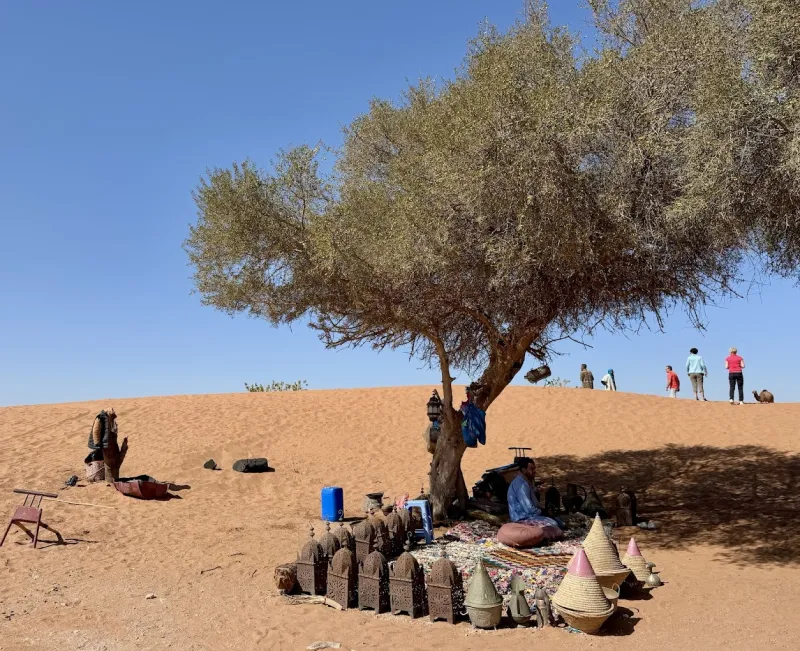
The Sahara Desert is one of Morocco's most iconic destinations, attracting tourists from around the world. Renting land in desert areas provides opportunities for businesses focused on tourism, such as camel trekking, desert safaris, and glamping.
What They Offer: Desert land for rent can range from small plots near major desert towns (like Merzouga or Zagora) to larger areas located in more remote desert regions. Such land can be used for establishing luxury camps, eco-lodges, or adventure tourism businesses.
Who Can Rent: Tour operators, eco-tourism businesses, and event planners often rent desert land to set up glamping sites, accommodations, or unique desert experiences for travelers.
Where They’re Located: The Sahara Desert, including areas around Merzouga, Zagora, and Erfoud, provides abundant land for tourism purposes.
Coastal Land
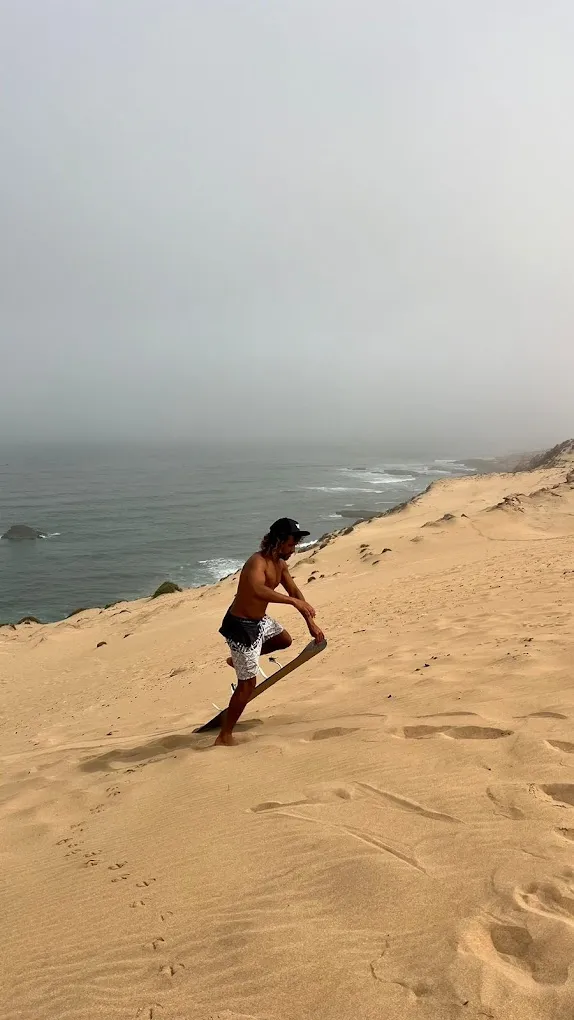
Morocco’s coastline, stretching along both the Atlantic Ocean and the Mediterranean Sea, offers beautiful coastal land for rent. These areas are popular for beach resorts, tourism ventures, and commercial real estate developments.
What They Offer: Coastal land can be used for resorts, hotels, beach clubs, restaurants, or even residential developments. Renting land on the Moroccan coast is especially attractive for developers looking to establish beachfront properties or tourism businesses.
Who Can Rent: Property developers, hospitality businesses, and individuals interested in setting up resorts, hotels, or tourist attractions can rent coastal land.
Where They’re Located: Coastal cities like Agadir, Essaouira, Tangier, and the Mediterranean town of Al Hoceima are popular destinations for coastal land rental.
Commercial and Industrial Land
Morocco's growing economy and industrial sector have created demand for commercial and industrial land, especially in larger cities such as Casablanca, Rabat, and Tangier. Renting land in industrial zones allows businesses to set up manufacturing plants, warehouses, and distribution centers.
What They Offer: Commercial and industrial land may come with existing infrastructure, access to roads, utilities, and other amenities. These properties are ideal for businesses that need access to local markets or international shipping routes.
Who Can Rent: Businesses in manufacturing, logistics, retail, and other commercial sectors can rent land for their operations.
Where They’re Located: Major cities such as Casablanca, Rabat, Tangier, and Fes, as well as industrial zones and economic regions, offer ample opportunities for renting commercial and industrial land.
3. Legal Aspects of Renting Land in Morocco
Before renting land in Morocco, it’s important to understand the legal framework surrounding land rentals, as well as the rights and responsibilities of tenants and landlords. Here are some key legal considerations:
Land Ownership in Morocco
In Morocco, land ownership is primarily held by private individuals, local municipalities, or the government. Foreigners are allowed to rent land for certain purposes, but there may be restrictions on land ownership. Non-Moroccan nationals may need to work with local partners or businesses to navigate the legal requirements for renting land.
Types of Rental Agreements
Rental agreements for land in Morocco are typically written contracts that specify the duration of the lease, the rental amount, and other conditions. These contracts can be short-term (for tourism or events) or long-term (for agricultural or commercial purposes).
Short-Term Rentals: These contracts are typically used for tourism purposes, including renting land for events, festivals, or seasonal tourism businesses.
Long-Term Rentals: These contracts are often used for agricultural or commercial projects, where land is rented for several years or even decades.
Required Documentation
The documentation required to rent land in Morocco may include proof of identification, business registration (if applicable), and sometimes a guarantee or down payment. Foreigners may also need to provide additional documents, such as visas or work permits, depending on the purpose of the rental.
Zoning and Land Use Restrictions
Land rentals in Morocco are subject to zoning laws that dictate how land can be used. Be sure to research any zoning restrictions or land use permits that may apply to the area where you intend to rent land. For example, agricultural land can only be used for farming, while commercial land must adhere to specific commercial use standards.
Lease Duration and Renewal
Lease durations in Morocco can vary depending on the type of land and the purpose of the rental. Most commercial leases run for a period of one to five years, while agricultural leases may extend for decades. If the lease is renewable, it will usually require renegotiation and agreement on terms such as price adjustments.
4. Where to Find Land for Rent in Morocco
Land can be rented through a variety of channels, depending on the type of land you are looking for. Here are some of the best ways to find land for rent in Morocco:
Real Estate Agencies
Local real estate agencies in Morocco can help you find land for rent. They typically have listings for various types of land, including agricultural, commercial, industrial, and residential properties. Some agencies specialize in rural or desert land rentals, catering to tourism or agricultural businesses.
Online Platforms
Several online platforms list available land for rent in Morocco. Websites such as RENTS.ma or Mubawab can provide comprehensive listings of available land for rent in different regions of the country. These platforms are particularly useful for tourists and business owners looking to rent land for short-term or long-term purposes.
Local Municipalities and Landowners
For more specific land rental opportunities, you may want to contact local municipalities or landowners directly, especially in rural areas. This can be a useful option for agricultural land or private properties in less urbanized areas. Local contacts often have information on available plots and may be willing to negotiate directly with tenants.
5. Tips for Renting Land in Morocco
Research Zoning Laws: Ensure that the land you’re renting is zoned for your intended use. This is especially important if you are planning to develop the land for commercial, agricultural, or industrial purposes.
Negotiate the Terms: Don’t be afraid to negotiate the rental price and lease duration. Depending on the location and type of land, rental prices can be flexible.
Understand Lease Terms: Be clear on the lease duration, renewal terms, and any penalties for early termination. Make sure the rental agreement is in writing and includes all relevant details.
Inspect the Land: Before committing, visit the land and inspect the location. This will give you a better understanding of its condition, access to utilities, and proximity to important infrastructure.
Consult a Lawyer: For complex land rental agreements, especially for long-term or large-scale projects, it’s advisable to consult with a lawyer who understands Moroccan property law.
6. Conclusion
Renting land in Morocco presents exciting opportunities for a variety of ventures, from agricultural projects to tourism businesses and commercial developments. Whether you are interested in farming, establishing a glamping site in the desert, or hosting a large event, renting land in Morocco allows you to access the country’s diverse landscapes without the heavy financial burden of purchasing land. With the right legal guidance, due diligence, and understanding of the rental market, renting land in Morocco can be a profitable and fulfilling investment.
Hi, I'm Camila Elise. I'm a passionate writer and design enthusiast at rents.ma, blending modern insights with the timeless elegance of Moroccan culture. Join me as I explore innovative ideas to transform your living space into a true reflection of your style.