Sustainable Tourism in Marrakech: Embracing Eco-Friendly Initiatives and Responsible Travel
15 Mar 2025Marrakech, with its rich history, vibrant culture, and iconic architecture, has long captivated travelers from around the globe. As the city’s popularity grows, so does the importance of sustainable tourism practices that protect its cultural heritage and natural resources. In this comprehensive guide, we explore how Marrakech is embracing eco-friendly initiatives and responsible travel practices while examining both the positive and challenging impacts of tourism on the city.
The Rise of Sustainable Tourism in Marrakech
A Shift Toward Eco-Conscious Travel
In recent years, sustainable tourism has emerged as a critical trend worldwide, and Marrakech is no exception. Increasingly, travelers are seeking authentic experiences that not only immerse them in local culture but also contribute positively to the environment and community. This shift has led local businesses, government agencies, and communities to rethink traditional tourism practices in favor of more responsible, eco-friendly approaches.
Why Sustainable Tourism Matters
Sustainable tourism in Marrakech is more than a buzzword—it is a holistic approach that aims to balance economic growth with cultural preservation and environmental stewardship. Responsible travel practices can:
Preserve Cultural Heritage: By respecting local customs and traditions, travelers help maintain the cultural integrity of historic sites and traditional neighborhoods.
Protect the Environment: Eco-friendly initiatives reduce waste, conserve energy, and protect natural landscapes.
Boost Local Economies: Sustainable practices often prioritize local businesses and artisans, ensuring that tourism dollars benefit the community directly.
Enhance Traveler Experience: Authentic, culturally rich experiences lead to deeper connections and more meaningful travel memories.
Eco-Friendly Initiatives in Marrakech
Green Infrastructure and Urban Planning
Marrakech’s city planners and local authorities are increasingly focused on developing sustainable infrastructure that meets the needs of both residents and tourists. Initiatives include:
Energy-Efficient Buildings: Many new hotel developments and renovated historic riads now incorporate solar panels, energy-efficient lighting, and sustainable construction materials. These eco-friendly designs not only reduce the carbon footprint of tourism establishments but also help lower operational costs.
Water Conservation: Given Marrakech’s arid climate, water conservation is critical. Modern hotels and traditional hammams alike are implementing water recycling systems and efficient irrigation practices in gardens and courtyards.
Waste Management Programs: Efforts to improve waste segregation, recycling, and composting are underway in popular tourist areas. Local authorities are working with businesses to reduce single-use plastics and encourage the use of biodegradable materials.
Eco-Tourism and Community Projects
Several community-based projects are actively promoting sustainable tourism by involving local residents in the planning and implementation of eco-friendly initiatives.
Organic Farms and Agrotourism: Outside the medina, organic farms offer visitors a chance to experience Morocco’s agricultural traditions while learning about sustainable farming practices. These experiences not only educate tourists but also provide a new revenue stream for local farmers.
Cultural and Ecological Tours: Guided tours focusing on the natural and cultural heritage of Marrakech allow travelers to explore the city’s gardens, palm groves, and nearby mountains. Eco-tour operators emphasize low-impact travel, encouraging participants to respect the environment and support local communities.
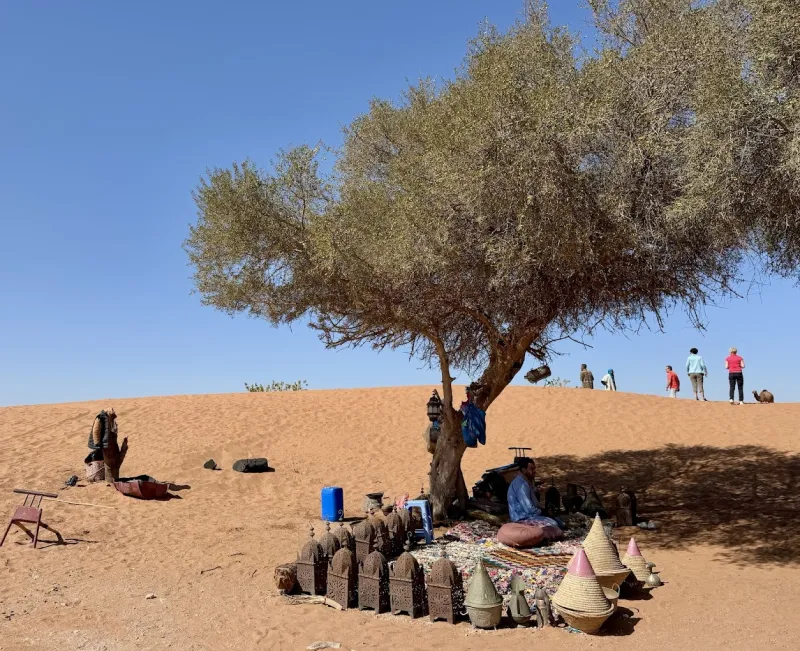
Artisan Cooperatives: Many local artisans have joined cooperatives that promote sustainable, handmade products. These groups help preserve traditional crafts while providing fair wages and reinvesting profits into community development.
Sustainable Transportation Options
Reducing the carbon footprint of travel is a major priority in sustainable tourism. Marrakech is taking steps to encourage eco-friendly transportation methods:
Public Transit and Bicycle Sharing: Efforts to improve public transportation, including buses and modern trams, aim to reduce the reliance on private vehicles. In some districts, bicycle-sharing programs provide tourists and locals with a sustainable way to navigate the city.
Electric and Hybrid Vehicles: Several hotels and tour operators now utilize electric or hybrid vehicles for airport transfers and guided tours, contributing to cleaner air and quieter urban environments.
Pedestrian-Friendly Areas: The historic medina, with its narrow, winding streets, naturally encourages walking. Many tourism initiatives now highlight walking tours that allow visitors to experience Marrakech at a leisurely pace while reducing vehicle emissions.
Responsible Travel Practices for Visitors
How Tourists Can Make a Positive Impact
Travelers have a unique opportunity to contribute to sustainable tourism in Marrakech. Here are some tips for responsible travel:
Support Local Businesses: Choose locally owned hotels, restaurants, and markets. When you purchase souvenirs, opt for handmade crafts that benefit local artisans rather than mass-produced items.
Learn and Respect Local Customs: Educate yourself about Moroccan traditions and cultural norms. Simple gestures like dressing modestly in religious sites and using basic Arabic or French greetings can go a long way in building respectful relationships.
Reduce Waste: Bring reusable water bottles, shopping bags, and utensils. Avoid single-use plastics and dispose of waste responsibly by recycling when possible.
Engage in Eco-Friendly Activities: Prioritize experiences that promote environmental awareness and cultural preservation. Join eco-tours, visit organic farms, or participate in workshops that teach traditional crafts using sustainable methods.
Offset Your Carbon Footprint: Consider investing in carbon offset programs when booking flights or accommodation. Many eco-friendly tour operators now offer options to support environmental projects.
The Role of Digital Tools in Promoting Sustainability
Technology is playing a vital role in enhancing sustainable tourism practices. Digital platforms and mobile apps help tourists plan eco-friendly itineraries, track their carbon footprint, and find sustainable accommodations.
Sustainable Travel Guides: Online resources and blogs provide updated information on eco-friendly practices, helping travelers choose responsible tour operators and accommodations.
Social Media Campaigns: Platforms like Instagram and Facebook are filled with influencers and travel bloggers who spotlight sustainable tourism initiatives. Sharing your experiences online not only raises awareness but also inspires others to travel responsibly.
Booking Platforms: Many hotel booking sites now feature sustainability ratings, allowing you to make informed choices based on a property’s environmental practices.
The Impact of Tourism on Marrakech: Benefits and Challenges
Economic Benefits and Community Empowerment
Tourism is a critical driver of Marrakech’s economy. When managed sustainably, it offers numerous benefits:
Job Creation: Sustainable tourism supports a wide range of jobs—from tour guides and hotel staff to artisans and local farmers. These employment opportunities contribute significantly to the local economy.
Cultural Preservation: When tourists engage with local traditions and support community projects, they help preserve the rich cultural heritage of Marrakech. This cultural exchange fosters pride among residents and ensures that traditional practices are passed on to future generations.
Infrastructure Improvements: Tourism revenue often funds improvements in urban infrastructure, such as enhanced public transportation, better waste management, and renovated public spaces that benefit both residents and visitors.
Environmental and Social Challenges
Despite its many benefits, tourism can also pose significant challenges if not managed responsibly:
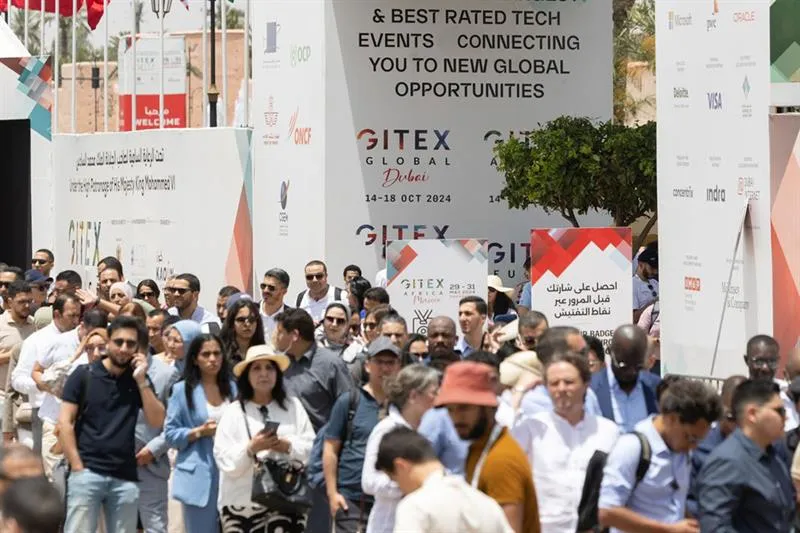
Overcrowding: Popular tourist attractions, especially in the medina, can become overcrowded during peak seasons. This influx of visitors can strain local resources, contribute to pollution, and disrupt daily life for residents.
Resource Consumption: The demand for water, energy, and food in tourist areas can lead to overconsumption, putting stress on the local environment. In an arid region like Marrakech, water scarcity is a particularly pressing issue.
Cultural Erosion: The commercialization of traditional crafts and cultural practices can sometimes dilute their authenticity. As tourism grows, there is a risk that local traditions may be modified or commodified to cater to international tastes, undermining their cultural significance.
Strategies for Mitigating Negative Impacts
Local authorities, businesses, and community organizations in Marrakech are actively working to mitigate the negative impacts of tourism. Some of these strategies include:
Implementing Visitor Quotas: Limiting the number of visitors to sensitive areas can help manage overcrowding and reduce environmental strain.
Promoting Off-Season Travel: Encouraging tourists to visit during off-peak times can distribute the economic benefits of tourism more evenly throughout the year.
Community-Based Tourism Projects: Empowering local communities to develop and manage tourism initiatives ensures that benefits remain within the community while preserving cultural authenticity.
Educational Campaigns: Raising awareness among tourists about the importance of responsible travel practices can lead to more sustainable behavior and a deeper respect for local culture.
The Future of Sustainable Tourism in Marrakech
Innovations on the Horizon
The future of sustainable tourism in Marrakech is bright, with ongoing innovations aimed at creating a more resilient and inclusive tourism model. New technologies, community-driven projects, and international partnerships are paving the way for a tourism industry that prioritizes long-term benefits over short-term gains.
Smart Tourism Initiatives: The integration of smart technologies in tourism management is set to revolutionize the visitor experience. Real-time data collection, digital mapping of sustainable attractions, and smart waste management systems can help reduce the environmental footprint of tourism.
Renewable Energy Projects: Investment in renewable energy sources—such as solar panels on hotel rooftops and energy-efficient public lighting—will continue to lower the carbon footprint of tourism infrastructure.
Cultural Preservation Programs: Collaborative efforts between local governments, NGOs, and international organizations are underway to document and protect Marrakech’s cultural heritage. These programs ensure that traditional knowledge and practices are safeguarded even as the city modernizes.
Building a Model for Responsible Tourism
Marrakech is emerging as a model for sustainable tourism in North Africa. By balancing economic growth with environmental protection and cultural preservation, the city demonstrates how tourism can be a force for good. Key components of this model include:
Inclusive Decision-Making: Involving local communities in tourism planning ensures that their needs and perspectives are considered. This participatory approach fosters a sense of ownership and responsibility among residents.
Transparency and Accountability: Regular assessments of tourism impacts and the implementation of transparent reporting mechanisms help maintain trust among stakeholders. This accountability is essential for the continuous improvement of sustainable practices.
International Collaboration: Partnerships with global tourism organizations and sustainability experts provide Marrakech with access to best practices and innovative solutions. Such collaborations enhance the city’s ability to adapt to emerging challenges in the tourism sector.
Final Thoughts: A Path Toward a Sustainable Future
Sustainable tourism in Marrakech is not a destination—it is an ongoing journey that requires commitment, innovation, and collaboration. By embracing eco-friendly initiatives and responsible travel practices, the city is setting an inspiring example for destinations around the world. Marrakech’s rich cultural heritage, breathtaking landscapes, and dynamic urban life are its greatest assets, and preserving them is essential for future generations.
Travelers play a pivotal role in this journey. Every conscious decision—whether it’s supporting a locally owned riad, participating in eco-tours, or choosing to travel during off-peak seasons—helps shape a tourism industry that respects both people and the planet. In turn, local communities benefit from tourism that nurtures cultural pride, supports sustainable livelihoods, and safeguards the environment.
As you plan your next visit to Marrakech, consider how your travel choices can make a positive impact. Embrace opportunities to learn about local traditions, engage with community projects, and explore the city’s innovative green initiatives. In doing so, you become part of a larger movement—one that recognizes that the true value of travel lies not only in discovering new places but also in contributing to their long-term well-being.
Hi, I'm Camila Elise. I'm a passionate writer and design enthusiast at rents.ma, blending modern insights with the timeless elegance of Moroccan culture. Join me as I explore innovative ideas to transform your living space into a true reflection of your style.